

Hello and welcome to this edition of Asia Communique. It’s 1 December 2025, and I’m here to catch you up on the most important things that happened across Asia in the last 24 hours.
China: Arms industry feels the sting of a corruption purge
Over in China, a new report from the Stockholm International Peace Research Institute (SIPRI) reveals that Chinese arms makers had a tough 2024. While the world’s 100 largest arms producers enjoyed record revenues, China’s military firms saw their sales drop by 10 %, thanks to corruption scandals that led to delayed or cancelled contracts. This is in stark contrast to Japanese and German companies, which posted revenue gains of 40 % and 36 % respectively, while the U.S. arms industry grew by 3.8 %. The anti‑graft campaign is reaching deep into the People’s Liberation Army – eight top generals were expelled in October – and observers say this could slow China’s military modernization plans.
Australia: A major shake‑up in defense
In Canberra, Defense Minister Richard Marles announced what he calls one of the most significant reforms to Australia’s defense apparatus in decades. The government plans to create a Defense Delivery Agency and appoint a national armaments director, merging three separate procurement and shipbuilding groups. The goal? To streamline spending and improve delivery of military projects, with the promise of a “bigger bang for buck” as Australia gears up to inject an extra A$70 billion into defense over the next decade.
Kyrgyzstan: A snap vote tightens a strongman’s grip
Meanwhile in Kyrgyzstan, preliminary results from Sunday’s snap parliamentary election show allies of President Sadyr Japarov winning nearly every seat. Japarov, a populist who came to power after protests in 2020, now has a clear path to seek a second six‑year term in 2027. He cast the election as transparent, but human‑rights advocates worry. Since taking office, Japarov has sidelined political parties, detained opponents and restricted media, while Deputy Prime Minister Edil Baisalov argued that parliamentary democracy has failed Kyrgyzstan.
Economically, Kyrgyzstan has been booming, partly because it has become a hub for trade rerouted from Russia to evade sanctions. But Western governments have slapped sanctions on Kyrgyz banks accused of facilitating illicit transactions, adding another layer of tension.
Taiwan: Civilian planes join the fight
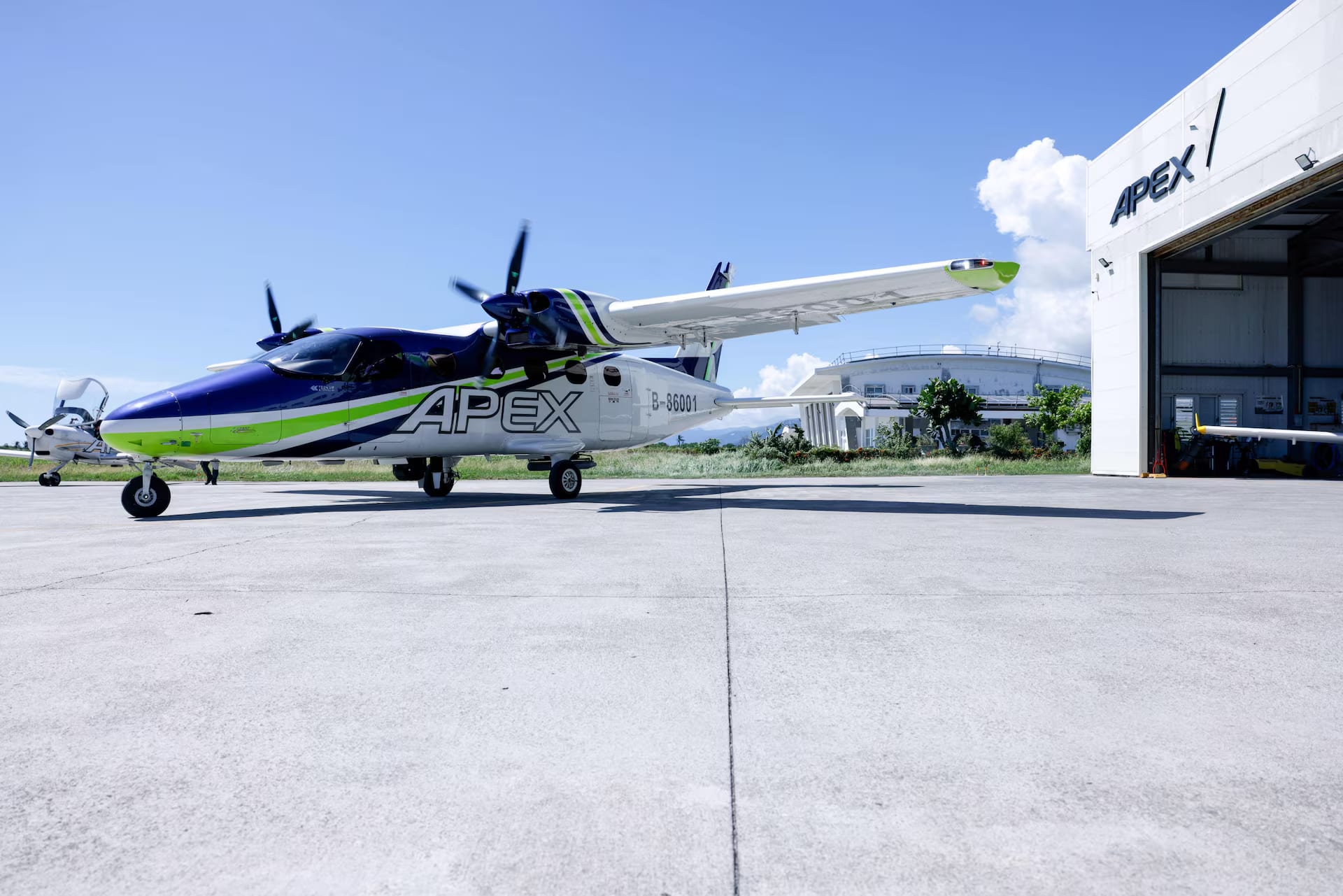
On Taiwan’s eastern coast, a light aircraft takes off with an unusual payload: a U.S.‑made synthetic‑aperture radar and infrared sensors. The plane belongs to Apex Aviation, a small charter airline that wants to help monitor Chinese warships. Taiwan’s government has been inviting private companies to join its “whole‑of‑society resilience” initiative, which calls on businesses and research groups to back up communications, cyber defenses and intelligence gathering. Apex’s chairman Wilson Kao told Reuters that Chinese drills near the island are becoming “more and more frequent, getting closer and closer.”
Taipei plans to raise defense spending to 5 % of GDP by 2030 and is pushing a $40 billion supplementary defense budget. But the idea of private planes playing soldier isn’t without controversy – legal experts note that the government must decide whether civilian aircraft can legally engage in surveillance and what happens if they come under Chinese fire. Apex has already spent T$400 million (about US$13 million) to convert its 11‑seat aircraft, and it believes it can offer similar services to other countries facing Chinese incursions.
Philippines: Street power challenges the palace
On Sunday, anger spilled onto the streets of Manila. Tens of thousands of people marched to demand the resignation of President Ferdinand Marcos Jr. over allegations that he and his allies siphoned off billions of pesos from flood‑control projects. Demonstrators carried effigies of Marcos and Vice‑President Sara Duterte, dubbing them “corrupt‑codiles.” The so‑called “Trillion‑Peso” scandal has already forced two cabinet ministers to step down, and a former lawmaker claims Marcos directed him to add US$1.7 billion worth of dubious public works contracts.
Protests were split between a larger coalition demanding both leaders’ resignation and a smaller rally backed by the Catholic Church urging only Duterte to quit. Authorities deployed more than 12,000 police officers and blocked roads around the presidential palace, but that didn’t stop demonstrators from venting their frustrations.
Myanmar: Authoritarian friendship
In a rare show of support for Myanmar’s military regime, Belarusian President Alexander Lukashenko paid a visit to junta leader Min Aung Hlaing on 29 November. Lukashenko is only the second foreign leader to visit Myanmar since the military’s 2021 coup, and his trip comes just weeks before the generals hold elections widely condemned as a sham. During the visit, the two governments signed a Myanmar–Belarus Development Cooperation Roadmap 2026‑2028 that includes stronger ties in military technology and trade.
Belarus’s foreign minister said the country is eager to help mechanize Myanmar’s agriculture and provide machinery and equipment. Along with China and Russia, Belarus is one of the few nations still openly engaging with the junta. Remember, Myanmar’s military controls less than half the country; a recent census could count populations in only 145 of 330 townships. As the civil war drags on, ethnic armed groups vow to boycott and disrupt the upcoming polls.
The bigger picture: Global arms industry trends
Before we wrap up, here’s some context. SIPRI’s latest report shows the top 100 arms producers pulled in a record US$679 billion in 2024, a 5.9 % jump fueled by conflicts in Gaza and Ukraine. Surprisingly, Asia and Oceania were the only regions where revenues declined, thanks largely to China’s corruption issues. In contrast, revenues at Japanese arms makers shot up 40 % and South Korean firms increased sales by 31 % as rising tensions over Taiwan and North Korea spurred demand.
Thank you!