The Geopolitics Reading List You Actually Need for 2026
If you’re trying to make sense of a world where the post-Cold War order is in full retreat, your bookshelf needs refreshing. I spent the last few days cross-referencing Publishers Weekly’s Spring 2026 catalog, publisher announcements, and advance review copies to separate the books that genuinely matter from the noise. Here’s what made the cut.
I am currently reading Chokepoints: American Power in the Age of Economic Warfare by Edward Fishman. Chokepoints is an excellent read that captures the current disruption to the global economy caused by ongoing conflicts.
THE CHINA BEAT
The Wall Dancers: Searching for Freedom and Connection on the Chinese Internet — Yi-Ling Liu (Knopf, Feb 2026) Flips the lens inward and looks at how ordinary Chinese navigate state control and self-expression online. The contrast between Shambaugh’s macro view and Liu’s ground-level reporting is genuinely illuminating.

IRAN, THEN AND NOW
Stolen Revolution: Betrayal and Hope in Modern Iran — Bozorgmehr Sharafedin & Yeganeh Torbati (Doubleday, Jun 2026) Six dissidents profiled across five decades — from the 1979 revolution through the woman-life-freedom movement. Torbati and Sharafedin are Reuters journalists who covered Iran from the ground, and this reads like the book-length version of the reporting they've been doing while the rest of the world looked away.

ISRAEL & THE MIDDLE EAST RECKONING
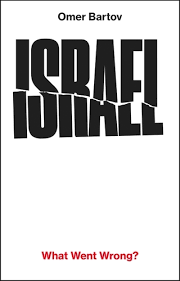
Israel: What Went Wrong? — Omer Bartov (FSG/Random House, Apr 23, 2026) Bartov is one of the world’s leading historians of the Holocaust and genocide. The question he asks here — how did a state founded after the Holocaust come to embrace ethnonationalism and face credible war crimes allegations — is one you can’t dodge if you want to understand this conflict. Not comfortable. Necessary.
ECONOMIC DISORDER AS GEOPOLITICS
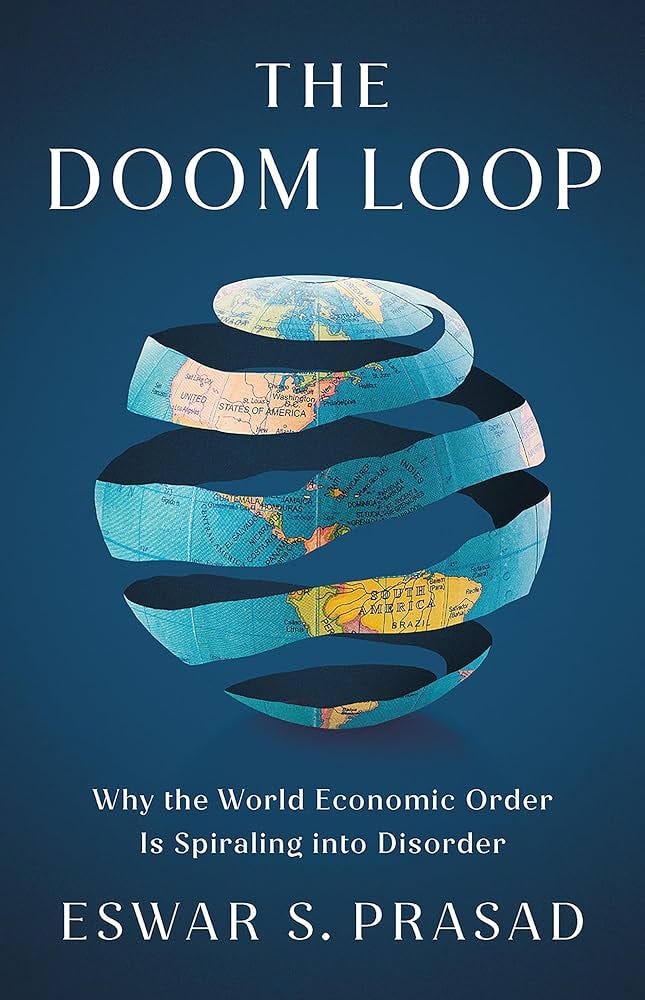
The Doom Loop: Why the World Economic Order Is Spiraling into Disorder — Eswar S. Prasad (Hurst Publishers, Feb 5, 2026) Prasad has been tracking global financial architecture at the IMF and Cornell for two decades. His argument: globalization didn’t just create winners and losers — it built the conditions for systemic instability, currency weaponization, and political backlash across continents. Trade wars aren’t trade policy anymore. They’re statecraft.
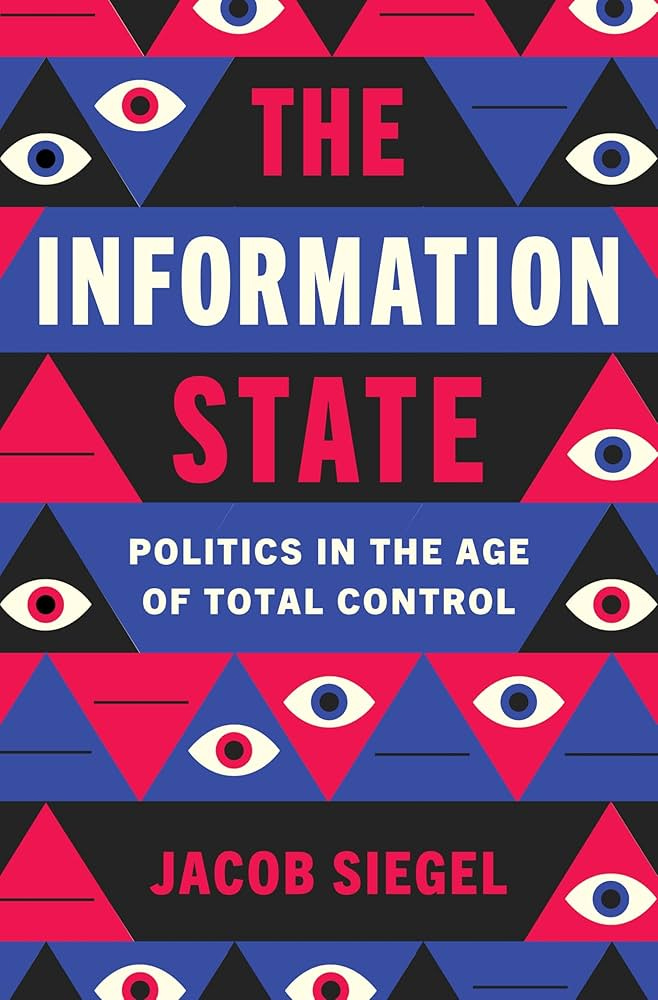
The Information State: Politics in the Age of Total Control — Jacob Siegel (Henry Holt, Mar 24, 2026) Siegel argues that the fight against “disinformation” has itself become a control architecture — a fusion of tech platforms and state power that goes back to the post-9/11 “war on terror” playbook. Read this alongside Prasad and you’ll see the same pattern: infrastructure being weaponized faster than democratic institutions can adapt.
THE BROADER MAP
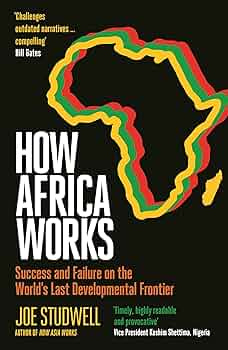
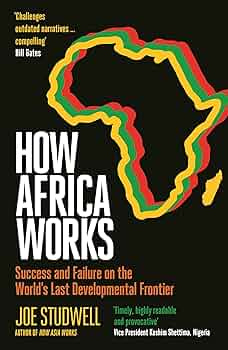
How Africa Works: Success and Failure on the World’s Last Developmental Frontier — Joe Studwell (Grove Press, Feb 17, 2026) Studwell’s How Asia Works was quietly one of the best development economics books of the last decade because he actually went to the factories and talked to the policymakers. He does the same thing for Africa. Most Western analysis of Africa is either poverty porn or growth-boosting cheerleading. This is neither.
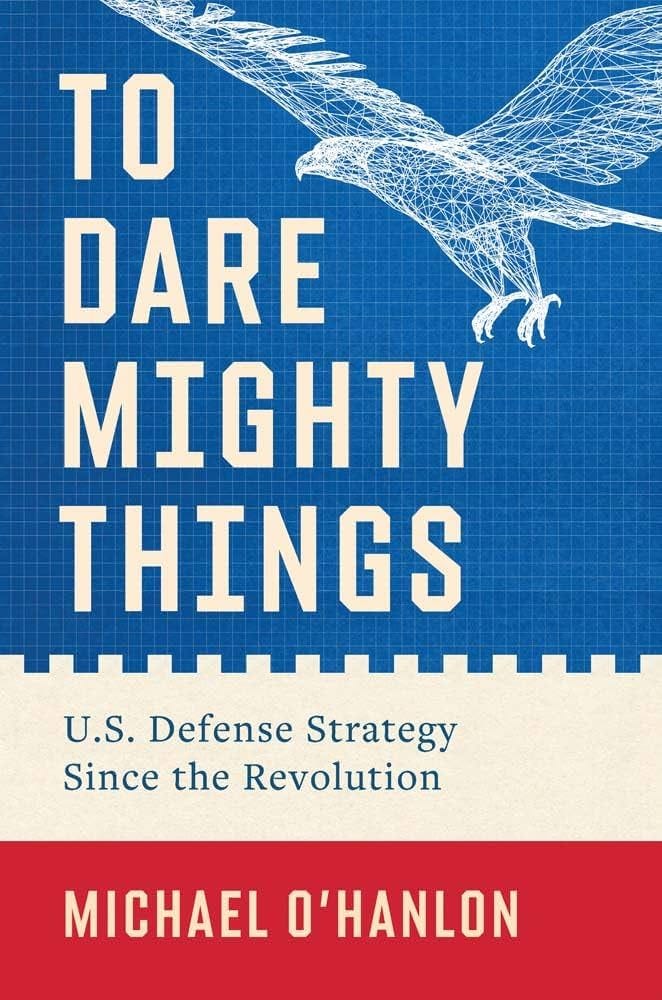
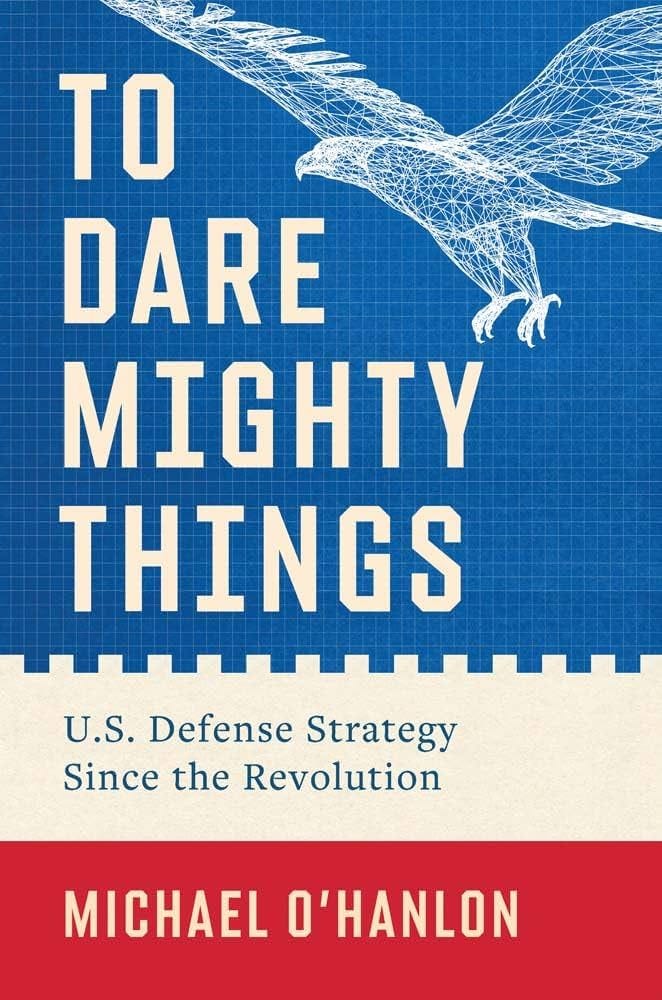
To Dare Mighty Things: U.S. Defense Strategy Since the Revolution — Michael E. O’Hanlon (Yale University Press, Jan 13, 2026). O’Hanlon is a senior fellow at Brookings. This is 250 years of American defense strategy — not as celebration, but as analysis. If you want to understand why the US behaves the way it does when power shifts, you need this context.
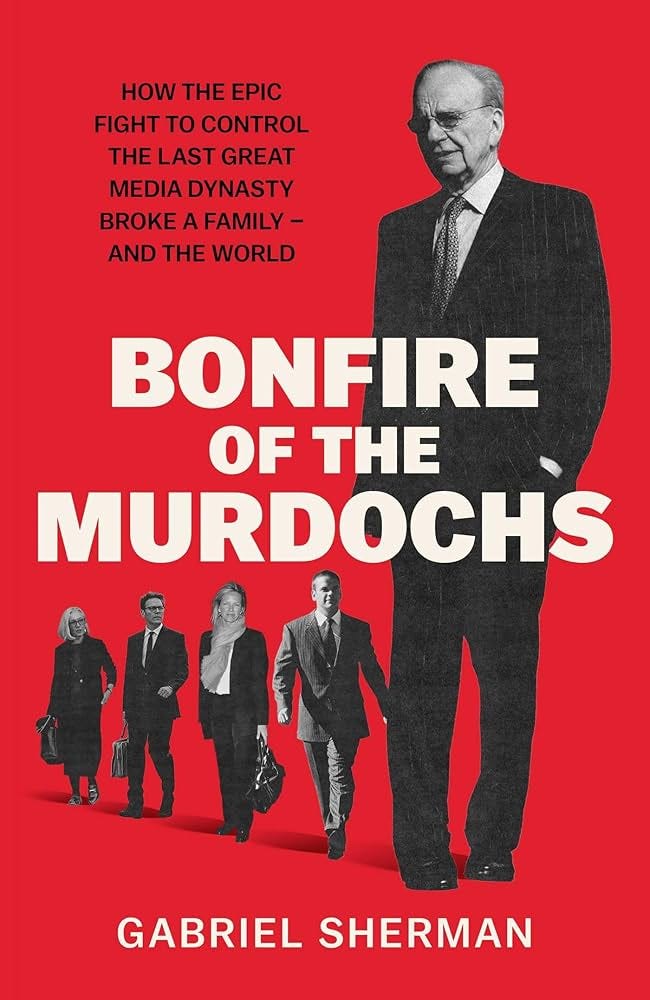
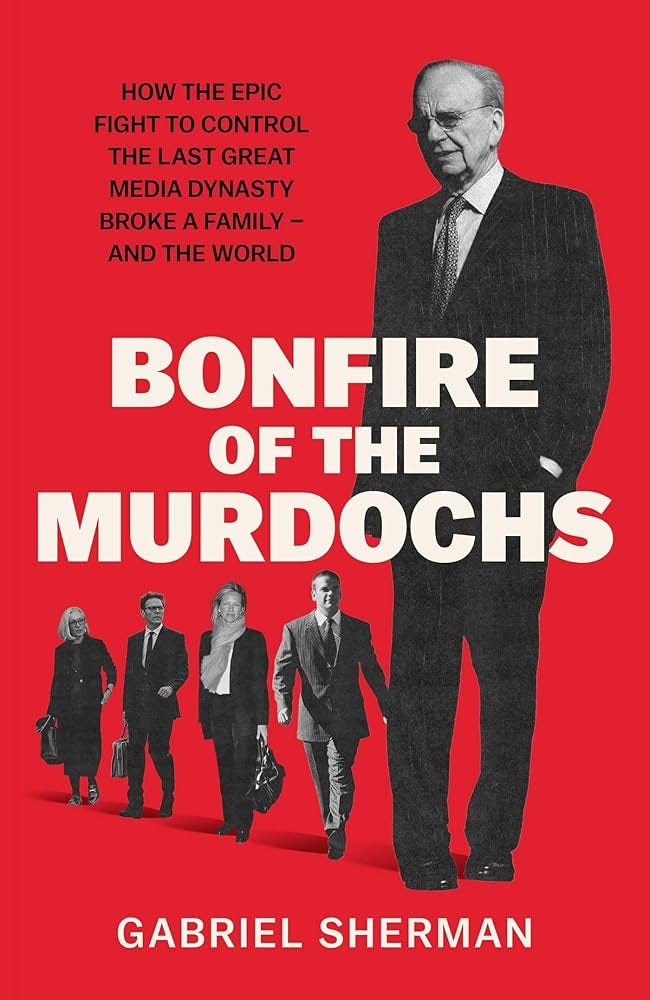
Bonfire of the Murdochs: How the Epic Fight to Control the Last Great Media Dynasty Broke a Family—and the World — Gabriel Sherman (Simon & Schuster, Feb 3, 2026) Not strictly geopolitics, but media infrastructure shapes geopolitics more than most analysts want to admit. Sherman tracks the Murdoch succession battle and its downstream effects on democratic institutions across three continents. If you think media ownership doesn’t matter for foreign policy, you haven’t been paying attention.
Data Empire: A Human History of Records and Rule — Roopika Risam (Harper, Jul 14, 2026) Data has been the key lever of political control for 11,000 years, and Risam traces the full arc from ancient record-keeping to modern surveillance states. This is the deep-history companion to Siegel’s book — different timescale, same uncomfortable conclusion.
Thanks!